

If you’ve been anywhere near the internet, you know that everyone and their brother visited Italy last year. Maybe you were one of the many visitors to descend on the popular European country! As many travelers start thinking about their upcoming summer/fall getaways, you may be considering a European itinerary. If you’re on the hunt for something new, this edition of the newsletter is sure to please.
We’re diving into a feature on Portugal, a country that effortlessly blends tradition with modernity, creating a mosaic of experiences that appeal to every type of traveler. If you’re currently dreaming of cobblestone streets, historical tours, and a slow European summer, you’ve opened the right email!
Destination Overview
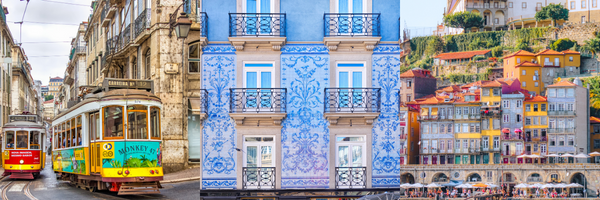
Portugal is a captivating country in southwestern Europe, offering visitors a rich tapestry of history, culture, and natural beauty. From the stunning coastlines of the Algarve to the enchanting cities of Lisbon and Porto, Portugal offers a diverse range of experiences. The country is known for its warm hospitality, delicious cuisine, and a vibrant mix of old-world charm and modern attractions. History buffs can explore ancient castles and medieval towns, while beach lovers can relax on pristine sandy shores.
Portugal’s wine regions, such as the Douro Valley, entice wine enthusiasts and outdoor enthusiasts can revel in the rugged beauty of the Azores or enjoy hiking in the picturesque landscapes of the Peneda-Gerês National Park. Whether indulging in mouth-watering pastries, immersing oneself in Fado music, or wandering through quaint cobblestone streets, Portugal delights travelers with its unique blend of tradition and innovation. Which experience will you choose for your itinerary?
When To Visit
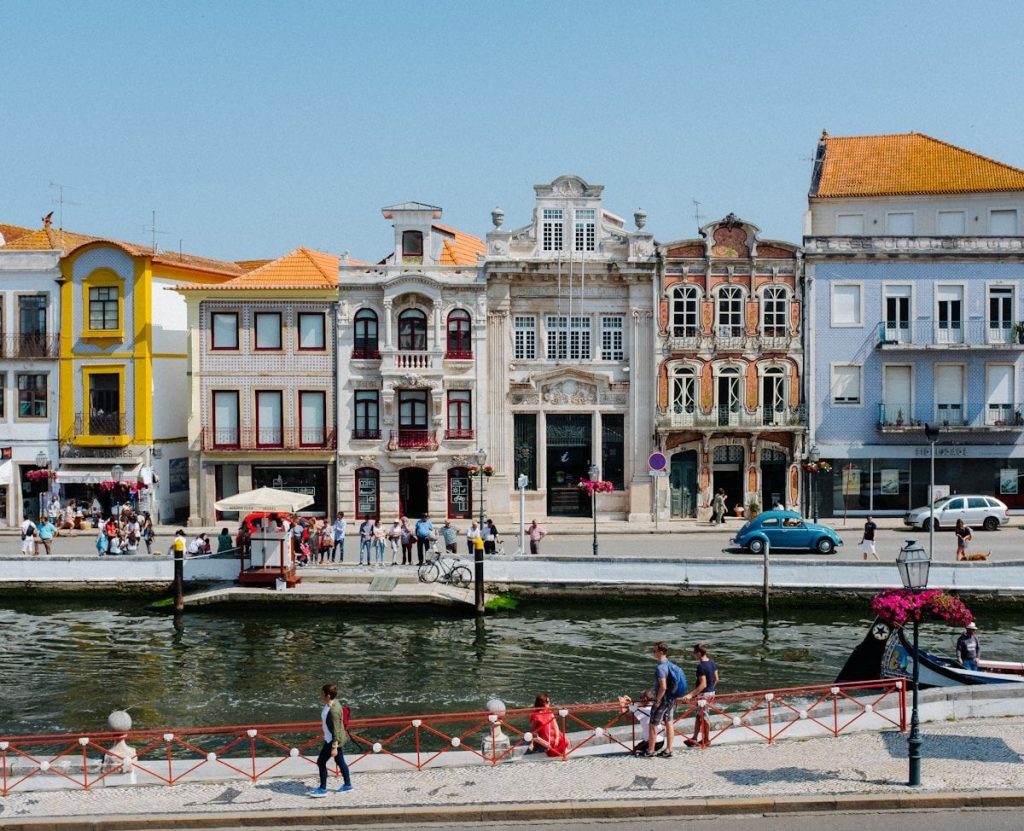
When planning a visit to Portugal, it’s important to consider the timing of your trip, taking into account seasonality, crowds, weather, and important events. Here’s an outline of the different windows of time to consider:
● Spring (March to May) & Summer (June to August): Spring in Portugal offers mild temperatures, blooming landscapes, and fewer crowds compared to the peak summer season. The famous Cherry Blossom Festival in the town of Fundão is a highlight during this season. Summer is the peak tourist season in Portugal, especially along the coastal areas. Expect warm and dry weather makes it an ideal time for beach lovers, water sports enthusiasts, and those looking to experience the vibrant atmosphere of local festivals, such as the Festas de Lisboa in Lisbon and the São João Festival in Porto.
● Fall (September to November): Fall in Portugal brings pleasant temperatures, fewer tourists, and beautiful autumn colors in the countryside. It’s an excellent time to explore wine regions like the Douro Valley or take leisurely walks through the historic neighborhoods of Lisbon and Porto. The Festa da Uva (Grape Festival) in the Douro Valley is a noteworthy event during this season.
● Winter (December to February): Winter in Portugal is mild, particularly in the southern regions. Historic cities, museums, and indoor attractions offer a cozy and authentic experience. The Carnival celebrations in February, particularly in places like Torres Vedras and Loulé, are lively events worth experiencing.
What To Know
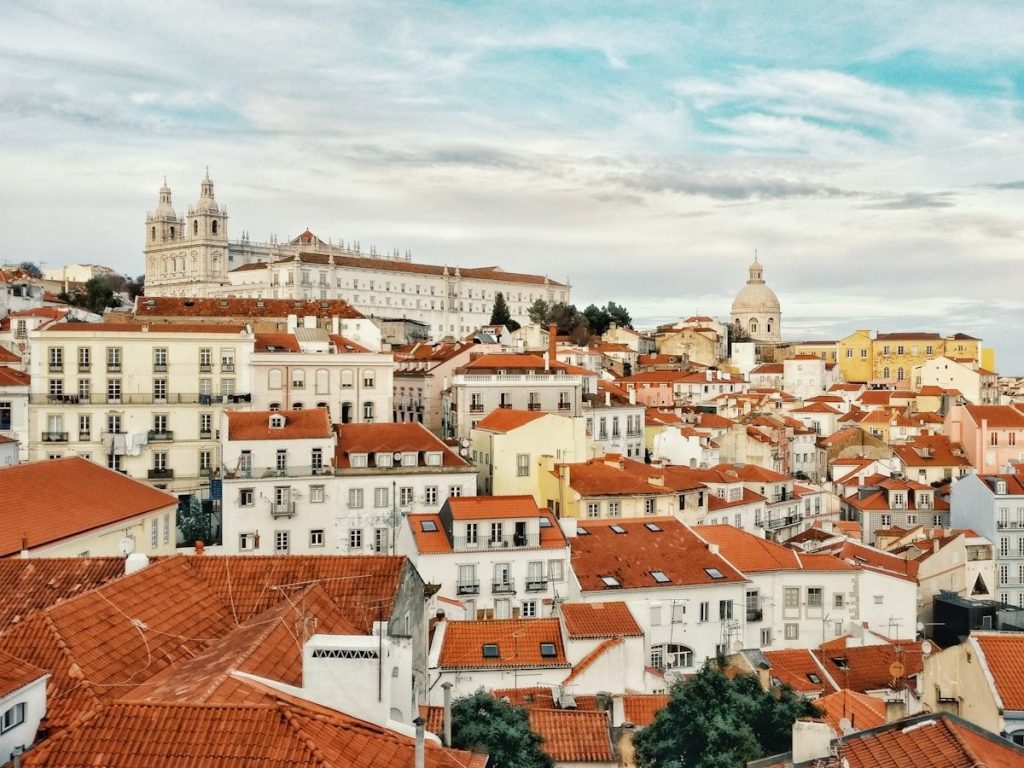
● Currency: Portugal uses the Euro (€) as its official currency. Visitors are advised to exchange some currency before arriving or withdraw euros from ATMs once they are in Portugal. Credit cards are widely accepted in urban areas and tourist spots, but having cash on hand is essential, especially in smaller towns or for smaller purchases.
● Transportation: Portugal offers a variety of transportation options that cater to different travel styles and budgets. The country has an extensive public transportation network, including buses, trams, and trains, which make it easy to travel both within cities and across the country. The major cities like Lisbon and Porto have efficient metro systems.
● Language: The official language of Portugal is Portuguese. While English is widely spoken in tourist areas, major hotels, and by the younger population, not everyone speaks English, especially in rural areas. Learning a few basic Portuguese phrases can greatly enhance interactions with locals and show respect for the country’s culture. Additionally, understanding some Portuguese can be helpful for reading signs, menus, and navigating public transportation.
Itinerary Highlights

Portugal is a treasure trove of diverse landscapes, rich history, and vibrant culture. From the
bustling streets of Lisbon to the tranquil vineyards of the Douro Valley and the unspoiled natural
beauty of the Azores, Portugal offers something for every type of traveler. Here are three destinations
to consider for your Portuguese itinerary:
● Lisbon: As Portugal’s capital, Lisbon is a vibrant mix of old-world charm and contemporary
living. Perched on seven hills, the city boasts stunning vistas at every turn, iconic yellow
trams, and historic neighborhoods like Alfama and Bairro Alto. Visitors can explore
centuries-old castles and monasteries, sample the delectable pastéis de nata, and immerse
themselves in the melancholic tunes of local music. Lisbon’s lively atmosphere and stunning
architecture make it a perfect starting point for any Portuguese adventure.
● Douro Valley: Known as the birthplace of Port wine, the Douro Valley offers breathtaking
landscapes of terraced vineyards clinging to the hillsides along the Douro River. This UNESCO
World Heritage site is not only a haven for wine enthusiasts but also for anyone seeking
peace and natural beauty. Visitors can take a scenic river cruise, visit traditional wine estates
(quintas) for tastings and tours, and explore charming villages dotting the region. The Douro
Valley’s serene beauty and its significance to Portuguese wine culture make it a must-visit
for a tranquil and enriching experience.
● The Azores: An archipelago of nine volcanic islands in the mid-Atlantic, the Azores are a
paradise for nature lovers and adventurers. The islands are renowned for their dramatic
landscapes, from craggy cliffs and green pastures to crystal-clear lakes and hot springs. São
Miguel, the largest island, is home to the stunning Sete Cidades and Furnas, while Pico
boasts Portugal’s highest mountain and vineyards which are a UNESCO World Heritage site.
Whether it’s whale watching, hiking, diving, or simply soaking in a natural hot spring, the
Azores offer an escape to a world of natural wonders and tranquility.

Portugal Travel Tips
Embrace the Local Pace: Portuguese culture has its own rhythm, especially when it comes to
meal times and business hours. Lunch is typically served from 12:00 PM to 2:00 PM, and
dinner often starts around 8:00 PM or later. Many shops close for a few hours in the
afternoon, and in smaller towns, businesses might be closed on Sundays. Adapting to these
timings can enhance your travel experience, allowing you to enjoy meals and shop at local
businesses without inconvenience.
● Explore Beyond the Tourist Hotspots: While cities like Lisbon, Porto, and regions such as the
Algarve are popular for good reasons: Portugal is full of hidden gems that are often
overlooked. Consider visiting lesser-known areas such as the Alentejo region for its rolling
hills and vineyards, the historical towns of Óbidos and Evora, or the natural beauty of the
Serra da Estrela mountain range. Exploring these areas can provide a more authentic and
less crowded experience of Portugal’s diverse culture and landscapes.
● Learn Basic Portuguese Phrases: Although English is widely spoken in tourist areas and by
younger generations, not everyone in Portugal speaks English, especially in rural areas.
Learning a few basic Portuguese phrases can greatly enhance your interaction with locals,
showing respect for their culture and making your daily activities smoother. Simple phrases
like “Bom dia” (Good morning), “Por favor” (Please), “Obrigado/Obrigada” (Thank you, for
males/females respectively), and “Fala inglês?” (Do you speak English?) can go a long way.
Portugal Travel Tips
Passport Processing Times Are Finally Getting Shorter
If you’re thinking about traveling to Portugal – or any international destination – you’ll need an updated passport. The good news is that processing times are picking up, making it easier than ever to take care of this easy-to-forget travel document.
Ready to plan your trip to Portugal? Contact me here